Foundry Burns Lake Ready to Support Local Young People
We are thrilled to announce that Foundry Burns Lake has officially opened its doors, providing youth and families in Burns Lake and surrounding communities with better access to free, confidential, health and wellness services.
Foundry Burns Lake offers a welcoming, youth-friendly space where young people aged 12–24 and their families/caregivers can access mental-health and substance use support, physical and sexual health care, peer support, and social services. Every service is designed to meet young people where they are, helping them find the right supports at the right time.
Foundry Burns Lake is operated by Carrier Sekani Family Services (CSFS) and located on the territories of Ts’il Kaz Koh First Nation, Lake Babine Nation, Wet’suwet’en First Nation, Cheslatta Carrier Nation, Nee Tahi Buhn Indian Band, and Skin Tyee First Nation. The centre also features a CSFS Youth Services drop-in space and beautiful indoor and outdoor areas for youth to gather, connect, and access supports.
We congratulate Foundry Burns Lake, Carrier Sekani Family Services, and all community partners, youth, and Nations who played a key role in bringing this centre to life, ensuring local young people have access to the care, connection, and opportunities they deserve.
Read the full news release to learn more.
Unmasking Mental Health Through Art Therapy
Masks are a powerful symbol in art therapy, according to art therapist Jillian Bagan (she/they), who facilitated the first annual Mental Health Awareness Week Art Show at St. Paul’s Hospital.
Over the course of three weeks, Jillian guided 33 participants from across Providence Health Care (PHC) in creating 34 unique pieces of artwork. These pieces lined the fourth-floor hallway of St. Paul’s Hospital, offering an exploration of this year’s theme: Unmasking Mental Health.
Within the theme, Jillian noticed a striking duality – hardness and vulnerability.
A mask that stood out to her was a thoughtful mix of black, white, gray, red, and glitter with attached canvas, created by River (they/them) during an art group session at Foundry Vancouver-Granville. River’s piece explores the emotional weight of overused coping mechanisms, specifically feeling stuck behind a protective mask that prevents communication of someone’s inner world and vulnerabilities.
“Even in the way that I dress is a little more hard, a little bit more dark,” River says. “Who I actually am is somebody who feels very deeply and has a very deep love for life and joy and that feels way more vulnerable.”
 A painting from River’s personal portfolio entitled “Annica” (2025)
They reflect that while this kind of self-protection served them well when they were younger, it has since become a barrier to forming authentic connections.
River moved to Vancouver from Ontario in 2022. After struggling to find a doctor, a friend recommended they connect with Foundry Vancouver-Granville where they could access free mental and physical health services. A year later, during a period of homelessness, River relied on support from both Covenant House and Foundry. During this time, they began attending Wellness Program activities at Foundry Vancouver-Granville including art and knitting groups which helped them build routine, set goals and make new friends.
Connecting with Foundry also fostered self-expression through art. River had always been interested in drawing and painting and even considered enrolling in art school. But after becoming overly focused on technical perfection, particularly with realism, they became frustrated and stopped creating art altogether. For years.
That changed when they found art therapy.
“Right around time I started going into art group, I got back into an expressive way of doing art,” they said. “I think it changed my relationship to art.”
Through the freedom of expression in art therapy, River discovered a healthier and more meaningful way to explore their feelings and identity.
Art therapy, explains Jillian, can help people lower their defenses, allowing deeper feelings to come to the surface to be explored. “Sometimes we get a little stuck and it feels safe to not make any changes,” Jillian said. “But if we can make art about the change, it feels less scary and less of a risk.”
River acknowledges that it is a difficult and scary time to exist – politically, economically and ecologically. Still, they stress the importance of supporting each other and finding joy despite it all. “It’s really important to focus on your mental health and develop a sense of comfort and safety and a sense of who you are, because there is so much that can knock you down.”
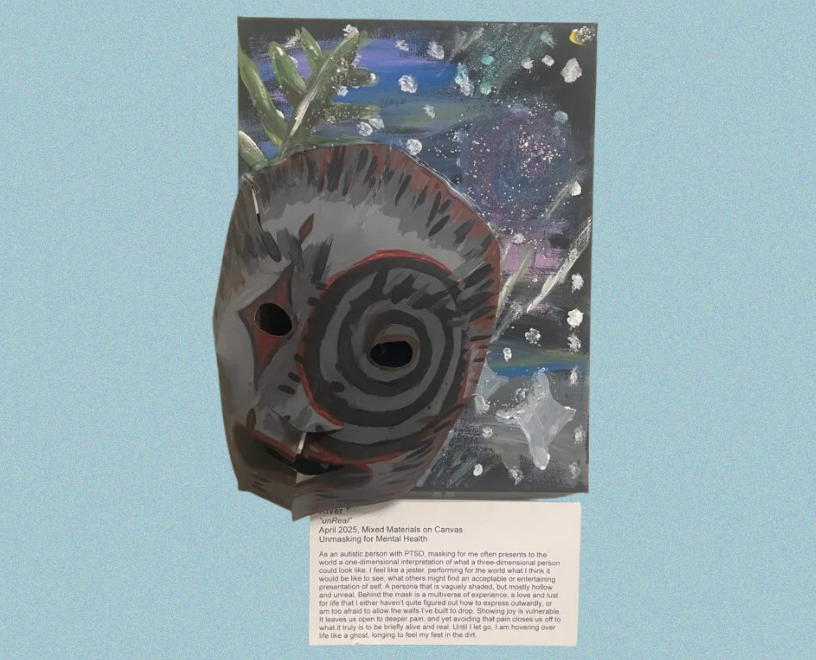
River’s mask, entitled “unReal” (2025), with an artist’s statement that concludes with:
“Until I let go [of avoiding pain], I am hovering over life like a ghost, longing to feel my feet in the dirt.
They also emphasize the value of accessible, creative outlets: “I think the more resources we have to express ourselves through art, and have that supported and encouraged, the better… I know a lot of people who have really benefited from things like art therapy.”
Art therapy is one of many meaningful activities offered through the Wellness Program, which helps young people build creativity while connecting to nature, community and themselves. Thanks to donors like the Morris Foundation, Nicola Family Foundation, and others, wellness activities are completely free for all young people ages 12-24.
Connect with your local centre or Foundry Virtual BC to learn more.
Investing in Youth: How Coast Capital’s Bursaries Are Opening Doors for Youth in the Foundry Work & Education Program

By the time youth connect with the Foundry Work & Education Program (FWEP), many feel as though they have few, or no options left.
At Foundry, we believe every young person, especially those facing barriers to education and employment, deserves access to meaningful support in school, work and training. Over the last year, FWEP has supported over 1000 youth with their work and education goals – youth that are often experiencing high levels of psychological distress, mental health and substance use challenges. Some of these youth face multiple barriers related to neurodiversity, houselessness, living with a disability and more.
Using an Individual Placement and Support (IPS) model, program staff take the time to understand each young person’s unique story and the barriers they face. This allows them to provide free, one-on-one support tailored to each young person’s interests, strengths and goals.
However, finances can sometimes put these goals just out of reach. In these moments, the partnership between Coast Capital and Foundry can be truly transformative. The Coast Capital Continuing Education Bursaries recognize individuals who have stayed committed to their education even through adversity. This funding can make a significant difference in the futures of BC youth by helping to remove barriers and increase opportunities for continuing education and professional development.
This year alone, the bursaries have supported 44 youth overcome financial barriers to post-secondary education. Combined with support from the Foundry Work & Education Program, this funding provides the help youth need to continue their journey to education, training, and ultimately a brighter future.
These funds have made a difference in two incredible youth’s lives:
A youth at Foundry Maple Ridge had been struggling to navigate family struggles, mental health challenges, financial pressures, and the overwhelming process of applying for school and figuring out a career path.
Despite their challenges, they showed incredible perseverance. With support from the Foundry and Coast Capital, they were able to explore various post-secondary options, complete employment certifications, discover their passion for Broadcast Journalism, and have now been accepted into a full-time program at BCIT starting this fall.

Before receiving this bursary, another youth from Foundry Campbell River had doubts about being able to access the courses they were interested in.
“I’ve been working hard to keep up with bills and basic needs, and the reality of paying for tuition, books, and transportation on top of that was impossible. I knew I wanted to continue my education, but financially, I just wasn’t in a place to do it on my own”.
This financial aid changed everything for them.
“With this support, I was able to start courses over the summer and continue into the fall. This opportunity has given me real hope and direction. I’m learning new things every day that are preparing me for the career I’ve been working toward”.
The bursary didn’t just help them pay for school; it tremendously reduced their stress in a way they didn’t think was possible.
“I’m incredibly grateful for Foundry and Coast Capital for giving people like me a chance to move forward. I’m now on a path I never thought I’d be able to take”.
Receiving the Coast Capital Bursary represents more than financial support – it’s a recognition of young people’s hard work, resilience, and commitment to building a future, despite the obstacles.
Coast Capital’s continued generosity and partnership with Foundry over the past several years is transforming the lives of young people across BC. The aid provided through this partnership creates the foundation many youth need to pursue their long-term education and career goals.
We are incredibly grateful that, together, Coast Capital and Foundry can support these youth as they remain committed to their education through adversity.
Foundry Receives $2 Million in Annual Funding to Expand Substance Use Prevention Initiatives

Young people today are under more pressure than ever—from academic stress to the influence of social media. Recognizing the need for early support, BC Government’s Ministry of Health is investing $2 million annually to expand Foundry’s substance use prevention initiatives. In addition to services offered through Foundry centres and Foundry Virtual BC, Foundry is expanding the PreVenture Program in schools across BC, in partnership with school districts and regional health authorities.
The PreVenture® Program is an evidence-based program that helps students aged 12-18 years old develop skills to navigate common challenges like peer pressure, identity development and interpersonal conflict, all of which are key factors in helping to prevent early substance use and mental health challenges.
Since launching in 2023 and as of this school year, the program has now expanded to more than 80 schools in over 20 B.C. school districts, through partnerships with districts and regional health authorities.
Educators have already seen a positive impact. One teacher noted that the PreVenture program created a shared language among students and helped them feel less isolated: “The program provided skills and tools to support youth to deal with hard choices and gave them stronger connections to trusted adults.”
By providing early intervention, the PreVenture Program has been shown to delay the onset of substance use and reduce use by up to 80%. It also helps lower anxiety, depressive symptoms, and even suicidal ideation among teens—making it a powerful step toward preventing crisis before it starts.
This program expansion reflects the commitment from the B.C. government to create a full continuum of mental health and substance use care that supports people of all ages—starting with the young people who need it most.
To read more about this announcement, read the full news release. Schools interested in implementing the PreVenture Program can learn more by connecting with Foundry’s PreVenture® Program Implementation team by visiting this link.
Foundry Richmond, Cultivating a Safe and Inclusive Space for Youth
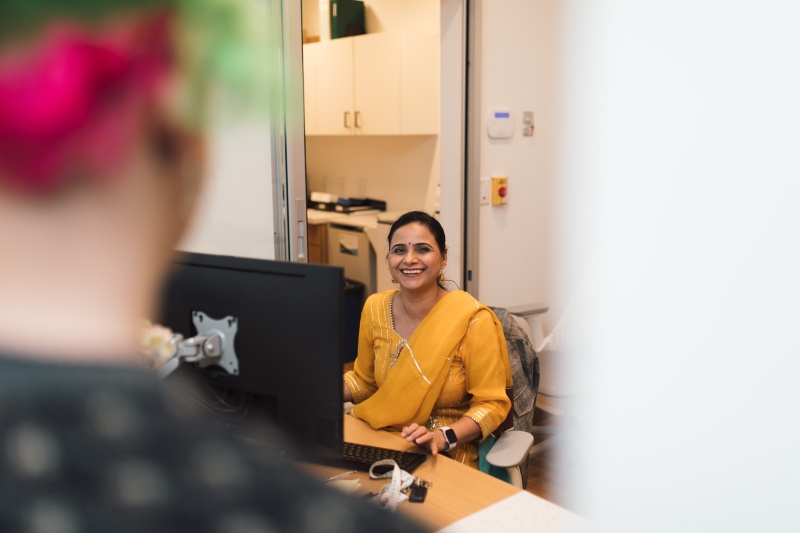
For many young people, the journey of self-discovery can be filled with uncertainty, fear, and isolation. For queer and questioning youth, that path can feel even more daunting – shaped by stigma, misunderstanding, or a lack of culturally safe and inclusive services.
At times when judgment can feel louder than acceptance, Foundry Richmond is creating a space where all young people can be themselves and show up exactly as they are.
To Arsin, a gender queer youth connected to Foundry Richmond, safety and inclusion means “being able to comfortably exist as myself and finding people that I can relate to. Feeling seen and also seeing yourself in the people that work there”.
Foundry Richmond’s commitment to inclusion is reflected through a diverse and culturally sensitive team, multilingual resources, respect for chosen names and pronouns, and intentional programming. The centre is a space where a young person can explore their identity, ask for help without having to justify themselves, and connect with others who remind them they’re not alone.
“We didn’t want to just slap on a flag and say we’re an ally – we wanted to do more” says Amanda, the clinical coordinator “We are giving it our all, trying to create a safe and welcoming space for youth.” Foundry Richmond offers gender gear (binders, packers, trans-tape), gender affirming medical care, and a therapeutic group run by a clinician for gender diverse youth and young adults. For two summers in a row now, they are offering the “Out & About program”, this program is for clients who are 12-14 and are queer or questioning.,

Foundry’s youth-led approach means the programs reflect what young people actually need. “They’re leading the ship, they’re guiding their care needs and goals, and I try and meet them where they’re going,” says Alannah, primary care nurse at the centre.
When Arsin joined one of Foundry’s social clubs, they felt an immediate sense of belonging. “It’s maybe the most diverse group I’ve attended. I’ve formed a really good social circle, and we all keep in touch and we’re all pretty close.”
They also speak to the centre’s thoughtful approach to care, from the types of activities planned to the attunement of staff and the way they prioritize safety. That care has had a deep impact on Arsin’s mental health, who states “I’ve gotten a lot more confident with transitioning into adulthood and being my own person. I’ve also met my best friend there through the Queer Resiliency group.”
Richmond is a diverse city, but as Arsin notes, it can still feel isolating for queer youth.
“I’ve met so many people there who I wouldn’t have otherwise because even though Richmond’s very diverse, it can be hard to find people like myself”.
They’ve learned about other local services as well, and that spirit of connection is echoed by Alannah, who reflects on the broader impact of collaboration. “You can see how Richmond has grown their services to collaborate with each other and how Foundry has that base to bring them together in a physical space so we can allow for better access [to care].”
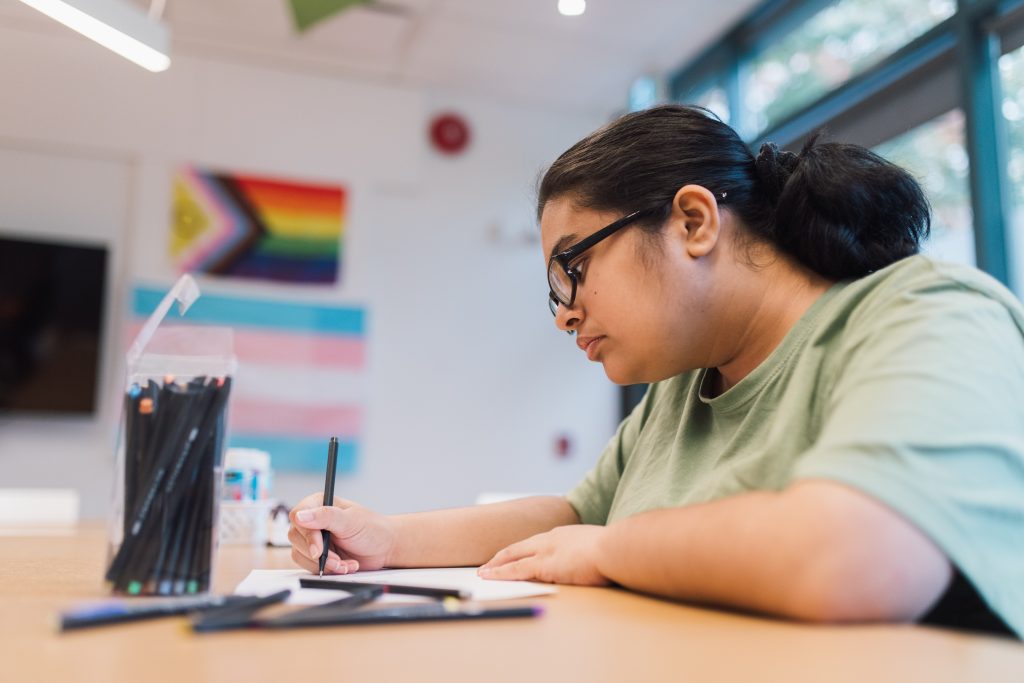
But inclusion isn’t without challenges. Amanda shares that despite their efforts, the team still faces pushback for offering gender-affirming care. The current social and political climate also weighs heavily on youth who have expressed anxiety about what the future might hold.
“Changing that mindset or that attitude is something I want for this community because there’s such limited resources and we have a lot of clients who are struggling because they don’t feel safe to come out or don’t have anybody to talk to”.
Despite these challenges, their team continues to take action by educating and informing. This includes outreaches or attending mental health pop-ups.
To youth who are considering reaching out, Arsin and Amanda offer words of encouragement:
- “Push past that initial anxiety and it will be ok. People are really welcoming and it’s worth taking that leap of faith” – Arsin
- “Don’t suffer in silence. There are people here who want to help” – Amanda”
Foundry Richmond is showing what’s possible when a community prioritizes safety, inclusion, and belonging – not just tolerance – for queer youth. To learn more about Foundry Richmond, visit foundrybc.ca/richmond.
Across the Foundry network last year, over 1 in 3 youth (38%, n=8,871) who accessed services identified as sexual minorities (e.g., bisexual, gay/ lesbian, and other queer youth). A similarly high proportion of youth (20%, n=10,869) identified as another gender (e.g., non-binary, agender) This reflects the need for integrated services among equity-denied youth, and Foundry’s role in creating safe, welcoming, accessible spaces for all BC youth and families. Thank you to SunLife and other donors for supporting this significant work, in communities across BC.
Kenny’s Story – Empowering Youth Through Movement & Mentorship

For Kenny, the outdoors has been more than just a place to escape; it’s been a sanctuary, a source of hope, and a path toward healing. As an individual living with autism, treatment-resistant depression, and complex PTSD, Kenny has faced his share of challenges. But through running – on roads and trails – he found solace. Each step represents a victory, each kilometer a moment of struggle overcome.
One of Kenny’s most defining moments came when, at just 16 years old, he completed the BMO Half-Marathon. This was not just a race; it was a breakthrough, a realization that he was more than his diagnoses, that he was a unique individual with dreams and aspirations that extended far beyond his struggles with mental health.
Kenny’s journey has not been a solitary one. He has also dedicated himself to giving back to his community. As a coach for a local high school’s Cross-Country and Track and Field team, he has been an inspiration to youth. His goal has always been to show young people that they are capable of overcoming any challenge — whether it’s related to school, social situations, mental health, or disability. That they are not defined by their past.
Now, as a Youth Peer Support Worker at Foundry Ridge Meadows, Kenny uses his lived experience to walk alongside other youth and guide them in overcoming their own struggles. He created a recreation group at Foundry, where he combines the healing power of the outdoors with the goal of helping youth regain confidence, improve coping skills, and, perhaps most importantly, reignite hope.
As this year’s recipient of the Brent Seal Mind vs. Mountain award, Kenny hopes to continue to inspire and uplift the community around him. His goal is to introduce new outdoor activities, like white water rafting and mountain biking, to local youth — especially those who are underprivileged. He is determined to create a safe, supportive space where youth can experience the transformative power of the outdoors, just as he has.
His story is a powerful reminder of the impact that outdoor recreation can have on mental health and personal wellness.
Government of Canada spotlights first community-based projects to spearhead Canada’s largest investment in improving youth mental health
Today, the Honourable Ya’ara Saks, Minister of Mental Health and Addictions and Associate Minister of Health announced the first six projects to receive funding under the Youth Mental Health Fund, Canada’s largest investment in youth mental health, that will improve access to compassionate, culturally safe care.
We are very grateful to share this announcement includes funding for Foundry, as well as other Integrated Youth Service organizations across Canada. All young people and their caregivers across Canada should have equitable access to integrated health and social services, this significant investment of $10 million for BC youth brings us closer to that goal and will support Foundry’s network expansion.
Thank you to the Government of Canada, the Government of BC and our many generous partners and supporters who share in our mission of supporting youth to live a good life.
“We thank the Government of Canada for its commitment to the health and wellness needs of young people. This investment will help us create safe, low-barrier spaces for diverse youth populations.” – Dr. Steve Mathias, Co-Executive Director, Foundry BC
To learn more about this announcement, read the full news release.
To learn more about Integrated Youth Services in Canada, visit iys-sij.ca.
Foundry Head Scientist Dr. Skye Barbic Awarded Canada Research Chair in Integrated Youth Services

The Canada Research Chairs Program is a prestigious national program to support top researchers at universities across the country and advance Canada as a leader in research excellence. Two levels of support are available, with Tier 1 Chairs for researchers who are already internationally recognized and Tier 2 Chairs awarded to emerging world-class researchers.
At the end of 2024, the Government of Canada announced the recipients for new and renewed Canada Research Chairs, including Foundry Head Scientist Dr. Skye Barbic as a new Tier 2 Canada Research Chair in Integrated Youth Services. This will have an immediate impact on not only research at Foundry, but across the IYS landscape.
“With the Canada Research Chair in Integrated Youth Services, I will be able to work with communities to conduct groundbreaking research that explores innovative, cross-sector solutions to support youth and families/caregivers,” said Dr. Barbic, who is also an Associate Professor at the University of British Columbia. “This position allows me to collaborate with youth, families/caregivers, communities, policymakers, and service providers across Canada to design and implement integrated models of care that are responsive to the unique needs of youth, ultimately shaping a more inclusive and effective support system for the next generation.”
As the first ever Canada Research Chair in Integrated Youth Services, this news also represents a milestone for the field.
“A decade ago, a handful of concerned health professionals, including Dr. Barbic, proposed the first integrated youth services initiative in Canada, leading to the launch of Foundry in British Columbia in 2015,” said Dr. Steve Mathias, the Co-Executive Director at Foundry. “Today, integrated youth services are transforming access to health care in Canada, with an integrated youth services model in nearly every province, including here in British Columbia. This Canada Research Chair in Integrated Youth Services further demonstrates the impact and growth of this work and sets the stage for continued expansion in support of youth health and wellness.”
Dr. Barbic’s work has already had a significant impact on Foundry. As noted by Dr. Mathias, “Dr. Barbic has worked with Foundry since its inception, and her research to improve youth mental health and substance use outcomes has significantly influenced Foundry’s development. For example, her research into supported employment helped lead to the Foundry Work and Education program, now supporting over 1,000 youth across British Columbia with their employment and training goals. This Canada Research Chair in Integrated Youth Services reflects Dr. Barbic’s tremendous accomplishments to date and an expectation for the continuing development of a world-class program of research.”
One topic of research under Dr. Barbic’s Canada Research Chair will be measurement-based care, which is a client-centred approach that enhances care by systematically and routinely assessing a client’s perspectives, symptoms and progress throughout their care journey. Dr. Barbic has been a longtime advocate for measurement-based care and is looking forward to continuing this work, stating that holding the five-year Canada Research Chair “is to be at the forefront of advancing research that bridges multiple disciplines to co-create comprehensive, youth-centered solutions. It means driving change in how services are designed and delivered to ensure that youth and families/caregivers people receive the support they need in a seamless, accessible, and holistic way.”
Dr. Julia Langton, the Provincial Director, Research, Evaluation and Data at Foundry, works closely with Dr. Barbic in their shared leadership of the Foundry Research team and had this to say about her colleague:
“Dr Skye Barbic is one of the most committed and passionate researchers I’ve met in my career. Her commitment to integrated youth services is clear and she has always gone above and beyond the work of an academic researcher. In the early days of Foundry, she even helped screw in iPads to support youth completing surveys as part of measurement-based care. She is an incredibly skilled and internationally renowned measurement scientist and Foundry is lucky to have her leadership and support as Head Scientist and Canada Research Chair to help us advance our system of measurement.”
The sentiment is echoed by Dr. Mathias, stating “Dr. Barbic’s program of research is essential to informing the work of Foundry. We look forward to continuing to work with Dr. Barbic on meaningful, youth-centred research.”
Congratulations, Dr. Barbic!
Danny’s Story: How Foundry helped one youth find his voice again
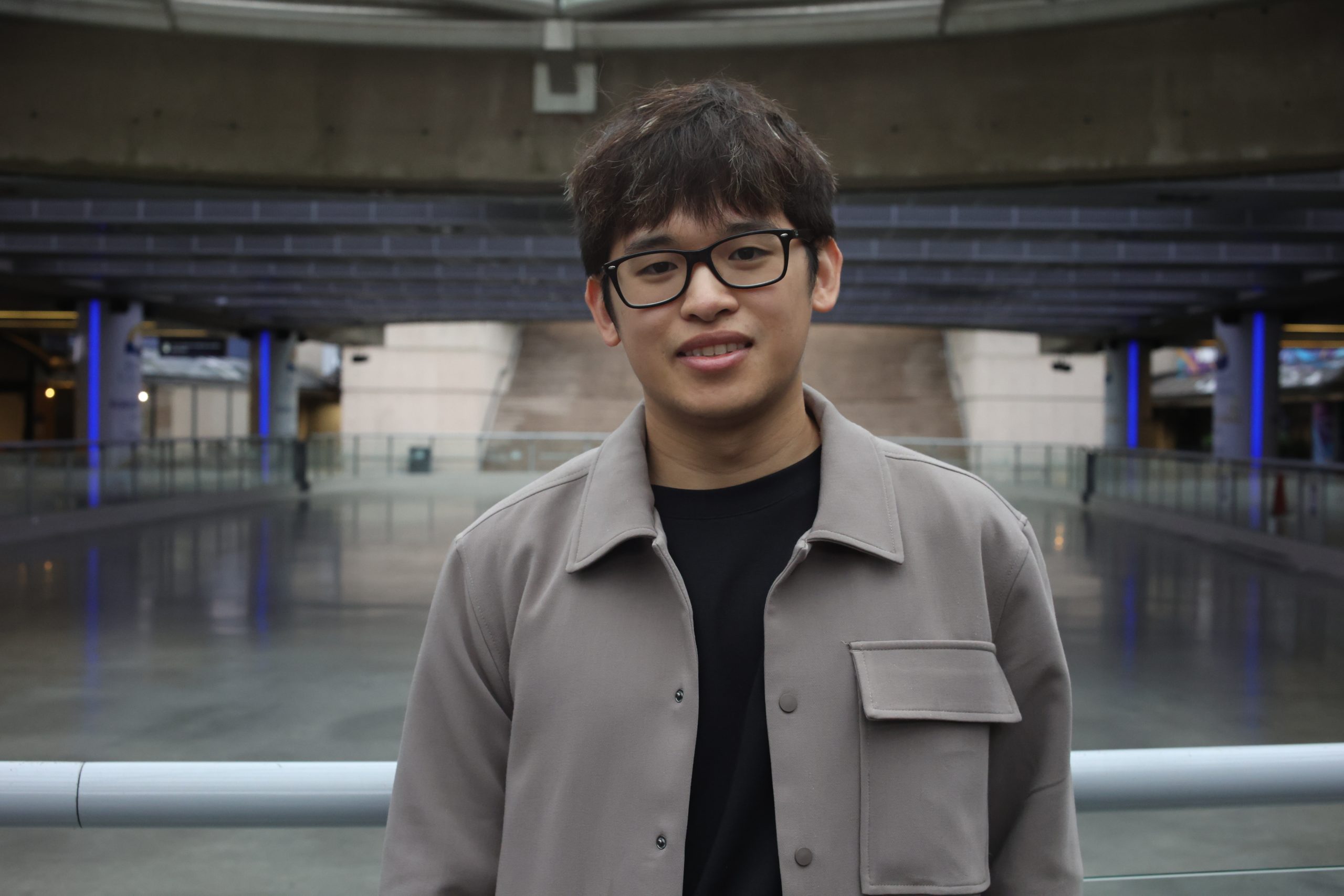
By any superficial measure of success, Danny was at the top of his game. He had just started a kinesiology program and was simultaneously working as a personal trainer and competing in Olympic weightlifting.
“I was trying to chase after every externally imposed milestone and goal that I was supposed to achieve to be considered ‘successful’ by society’s standards,” Danny reflects.
Two years into college, life took an unexpected turn. The mounting pressures of having to excel academically, juggle a sports career and a part time job, all combined with family challenges, gradually took a toll on Danny’s mental health.
“It all became too much for me to handle. I ended up quitting weightlifting and decided to take a break from college. I was beyond burnt out,” shares Danny.
In the ensuing three years, Danny took on a variety of part-time jobs but struggled to find meaningful work. He came across Foundry by sheer chance, when his brother sent him an online advertisement for Foundry’s Work & Education program.
“It was hard enough trying to navigate depression, but what made it worse was constantly being compared to my more successful peers and family members. There was a tremendous amount of pressure to live up to an arbitrary timeline of success,” says Danny.
According to Danny, mental health is still stigmatized in many Asian households – it’s considered a sign of weakness if you need help, especially as a male.
“I kept telling myself that I did not need anyone’s help, but it just got to a point where I felt like I had nothing left to lose so I took that first step of connecting with a counsellor at Foundry. That first step really marked the beginning of a brand-new chapter in my life,” Danny shares.
Foundry offers free and confidential supports for young people ages 12 to 24, including mental health care, substance use services, physical & sexual healthcare, youth, and family peer supports, and social services – both virtually and in-person in 17 communities across BC.
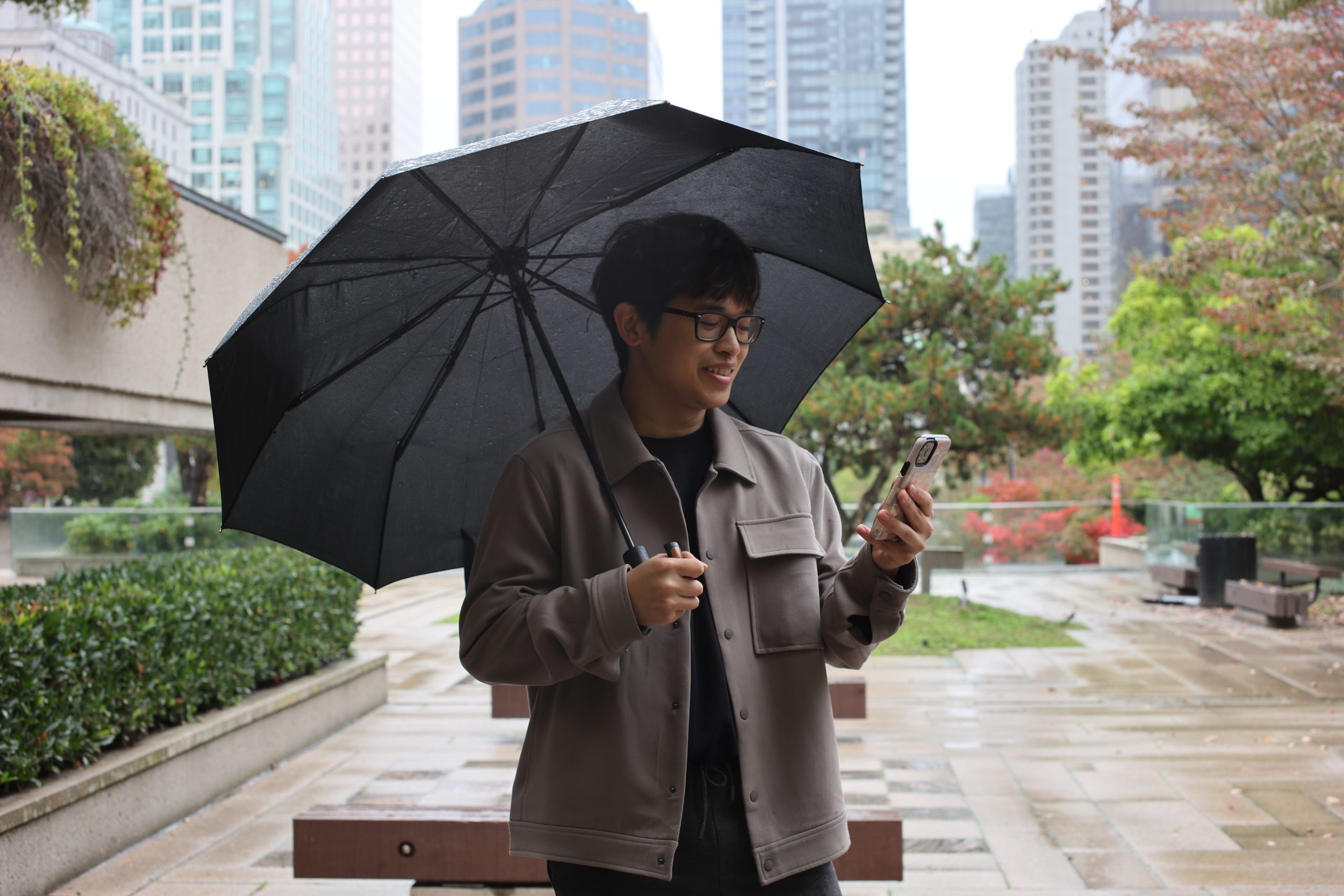
What initially began as counselling appointments to support Danny with job searching, slowly paved way for Danny to explore other forms of healing.
“What’s fantastic about Foundry is that they meet you exactly where you’re at. My Work & Education program counsellor didn’t force me to attend other workshops or pressurize me to talk about things I wasn’t ready to talk about. She allowed me to make that decision for myself. That’s when I started attending cognitive behavioural therapy workshops to help me better deal with stress,” shares Danny.
“It was the first time in my life where I felt like I had somebody in my corner who was willing to support me and guide me in a completely non-judgmental way,” he continues.
According to Danny, his time at Foundry taught him to reconnect with his voice.
“When we are children, we look to the adults around us to tell us who we are. We look to them to give us validation and encouragement. And if you’re around adults who give you the opposite, you internalize that and think you’re worthless,” Danny says. “But the inner work that I’ve done at Foundry helped me turn that equation around – I don’t need someone else to tell me who I am.”
Danny now works in the world of electronic gaming – he’s pleased to share that he’s made huge strides in understanding his passions and what he wants to achieve in his life. Danny has also rekindled his love for fitness and has found a new hobby to explore – freestyle dancing. He wants other young people to know that the strongest thing you can do is to reach out and ask for help.
“I think the biggest breakthrough that has come out of my experience at Foundry is that I don’t need to be afraid. I don’t need to fear or evade hard emotions, because I’ve been given the tools and resources I need to better sail through life’s storms,” Danny shares.
If you or someone you know is looking for support, you can access services at a Foundry centre or via Foundry Virtual BC. Learn more about these services or how you can support Foundry here.
Navigating Life in BC as an International Student: Finding Home Away from Home
Leaving home and moving to a new place can be challenging. Leo – a SFU Co-op student at Foundry – shares his experience moving from Vietnam to Vancouver in hopes that others walking in similar shoes will feel less alone.
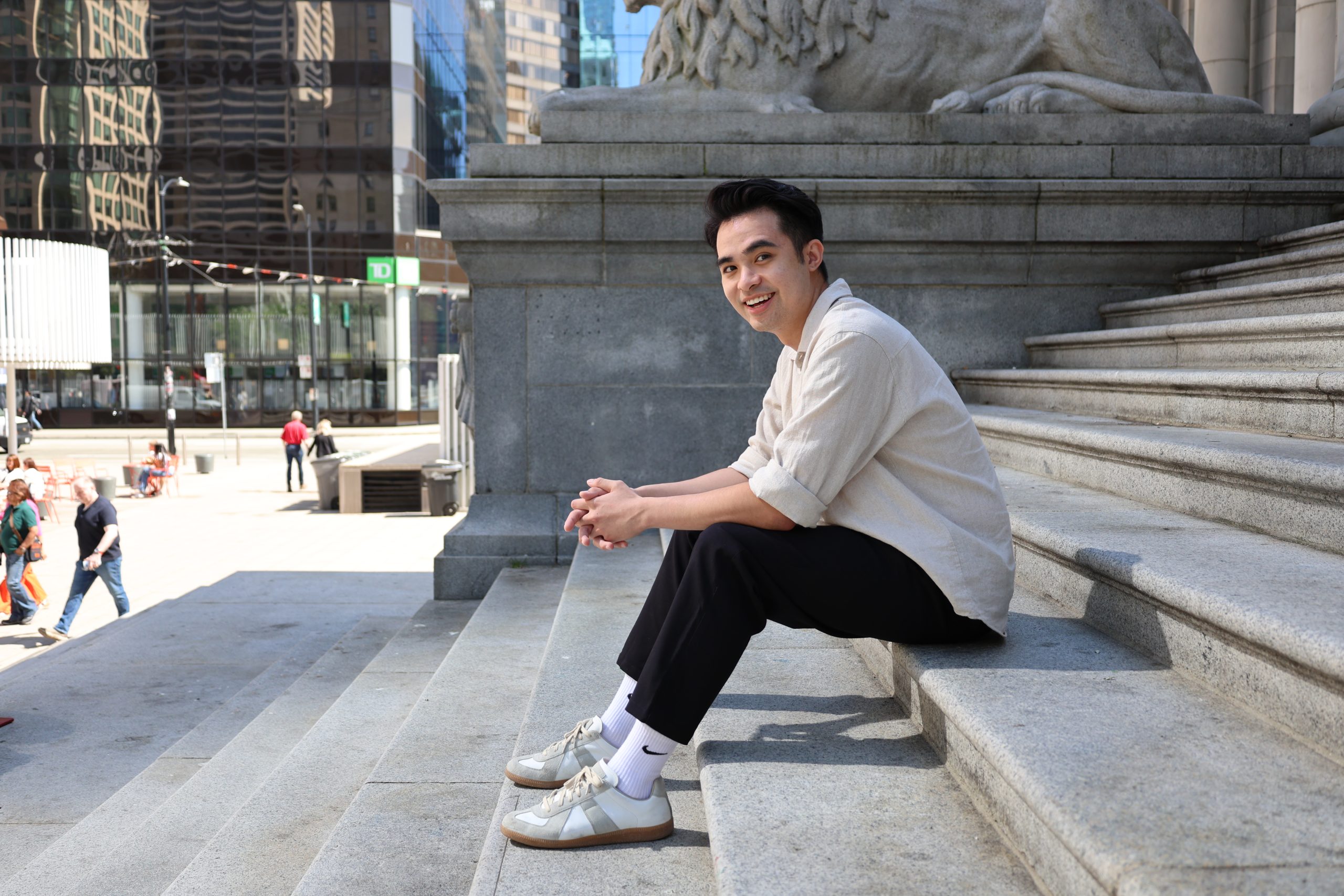
Moving to Canada
Seven years ago, my parents sent me across the world, entrusting me with their dreams of a brighter future and the promise of opportunity. As an international student from Vietnam, I embarked on a journey that would not only shape my academic and career pathways, but also redefine my sense of home and belonging. While embracing the opportunity of studying abroad, staying connected with my homeland and culture has remained an important aspect of my life. I’ll explore the significance of food, community building and celebrating traditions as a few ways I have learned to establish a sense of home away from home in BC.
My journey in Canada started off by living with an Indian homestay family in Surrey. This experience unexpectedly introduced me to the wonders of Indian cuisine, which included foods such as butter chicken, chicken masala, daal soup, and chai tea—all culinary gems that immediately won a place in my heart. The shared meals not only nourished our bodies but also fostered a deeper connection and understanding between us. Despite our cultural differences, my homestay “mom,” went out of her way to fulfill my craving for Vietnamese cuisine. Whether she was attempting to make spring rolls or taking me to Vietnamese restaurants and markets, her gestures helped to bridge the gap between cultures, making our bond even stronger.
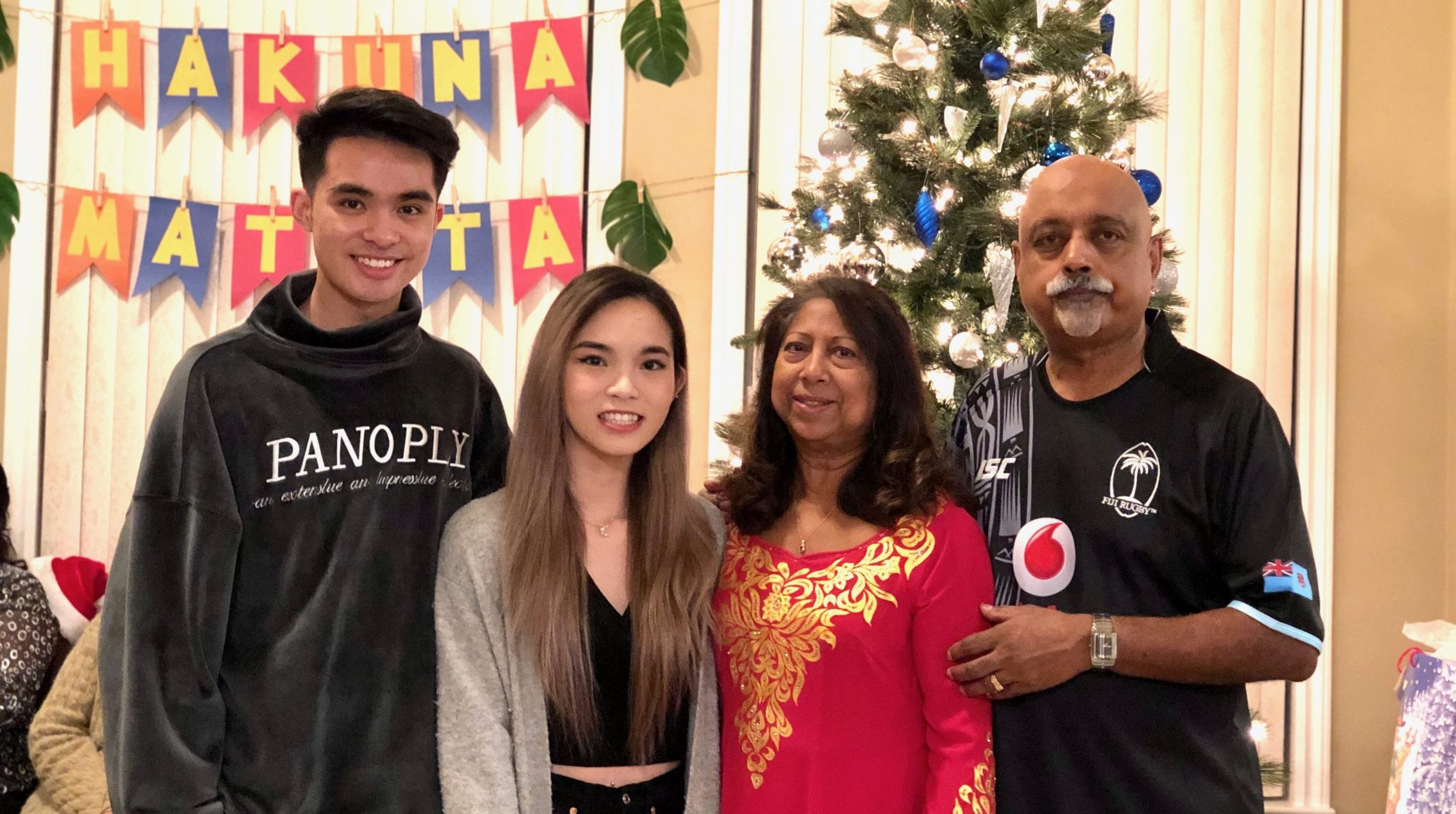
Living with a homestay family
When I was ready to move out from my homestay family, the culinary skills and cultural understanding I gained while staying with them helped me transition to the next chapter of being on my own. Cooking Vietnamese dishes in university became more than just a ‘means to satisfy my cravings; it was a way for me to preserve my cultural heritage while also navigating the realities and challenges of university life. I received guidance from my family back home through FaceTime calls and texting. We have various group chats that include my mom, dad, sister, aunties, cousins, and even my grandma. Whether it was a direct conversation with my immediate family or seeking advice from extended family members in our group chats, I utilized every possible avenue to get the support and guidance I needed. Every dish I prepared became a journey back to cherished memories of family gatherings and shared meals, instilling in me a sense of comfort and connection despite being miles away.

My dad once told me, “If you want to truly understand and immerse yourself in a new culture, befriend its people.” Following his advice, I embraced opportunities to connect with both Canadian and international peers during high school. These friendships not only enhanced my experiences, but also broadened my cultural perspectives. Whether it was exploring the city together, sharing meals, or attending cultural events, these connections created a sense of belonging and support that felt real, regardless of the geographical boundaries.
This time helped me really define the true meaning of friendship—these people were lifelines during moments of homesickness and uncertainty. Whether we were remembering the place we were born, exchanging stories about our families, or simply sharing a laugh, these connections reminded me that home is not just a place. It is also the people we surround ourselves with. Through these friendships, I discovered a second family—a network of support that helped me manage the difficulties of life as an international student in Canada.

Finding a support network
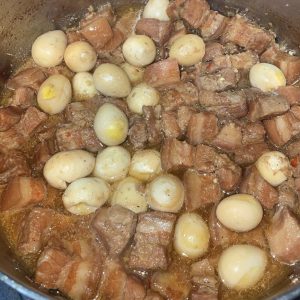
Living abroad often means missing out on holidays and traditions from back home. During Tet (Lunar New Year) – a significant cultural event in Vietnam – my homesickness would increase. I soon found creative ways to celebrate Tet with Vietnamese friends, which became a tradition that helped recreate the warmth and joy of home. From preparing traditional Tet dishes to partaking in cultural activities like watching Tao Quan and giving out lucky money, these shared moments allowed me to reconnect with my roots in a way that felt authentic to me.
Beyond personal experiences, international students have a variety of ways to stay connected with their home. Below are some suggestions I have for others, who may be in similar situations to myself!
- Virtual communication tools offer an ongoing connection to family and friends that may be far away with just a click. Try Face Timing friends or family members when you feel lonely or are missing them.
- Engaging in local cultural events and festivals can provide opportunities to celebrate one’s heritage and connect with others who share similar backgrounds. Exploring cultural clubs and organizations on college or university campus’ (or in your community!) can foster a sense of community and belonging. It can also create spaces where diverse perspectives are celebrated and shared.
- Reach out for support! You don’t have to navigate this change alone. Foundry is a great resource for international students to connect with peers, join a group or workshop, or talk to a counsellor. Visit www.foundrybc.ca/find-a-centre to find the centre closest to you or email info@foundrybc.ca
Through these traditions and connections, international students can find a sense of home away from home, enriching their experiences and strengthening their bonds with both their original home and their new home.